
Why “Brushing Every Day” Doesn’t Mean You’re Cleaning Properly
Most people brush their teeth twice a day, yet still suffer from plaque buildup, bleeding gums, sensitivity, or cavities.
The truth is: not brushing properly is almost as bad as not brushing at all—because harmful bacteria stay hidden in the areas your toothbrush can’t reach.
1. Plaque Buildup → Tartar → Hard-to-remove Deposits
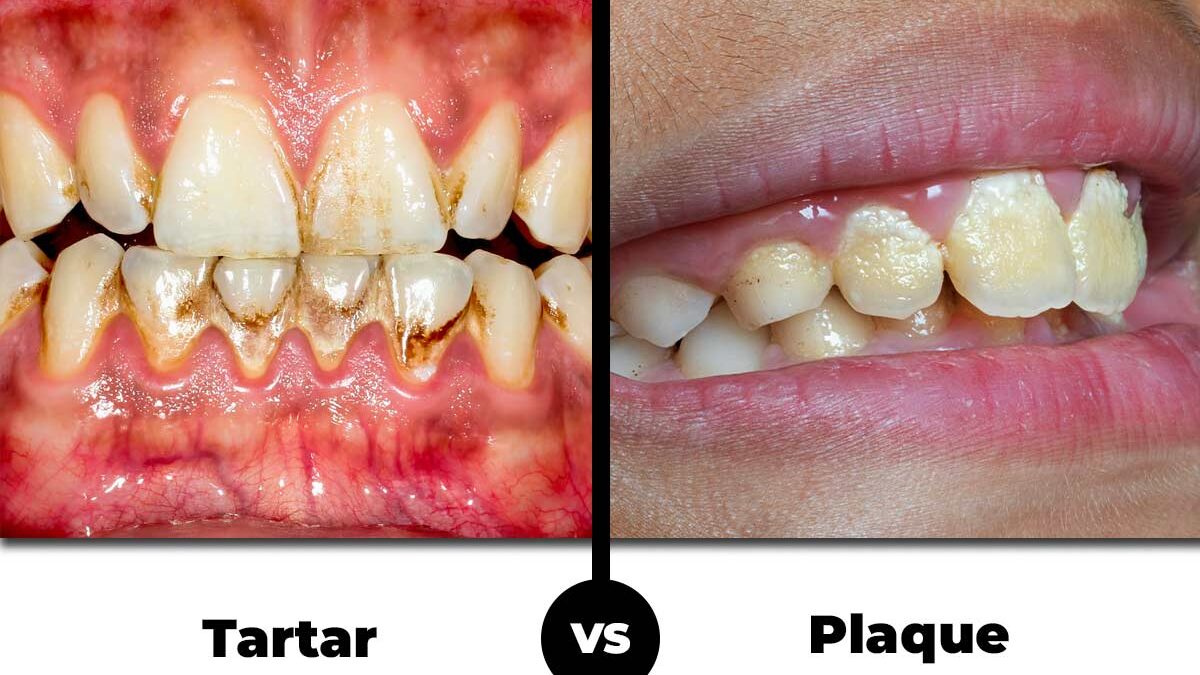
Plaque forms naturally every day.
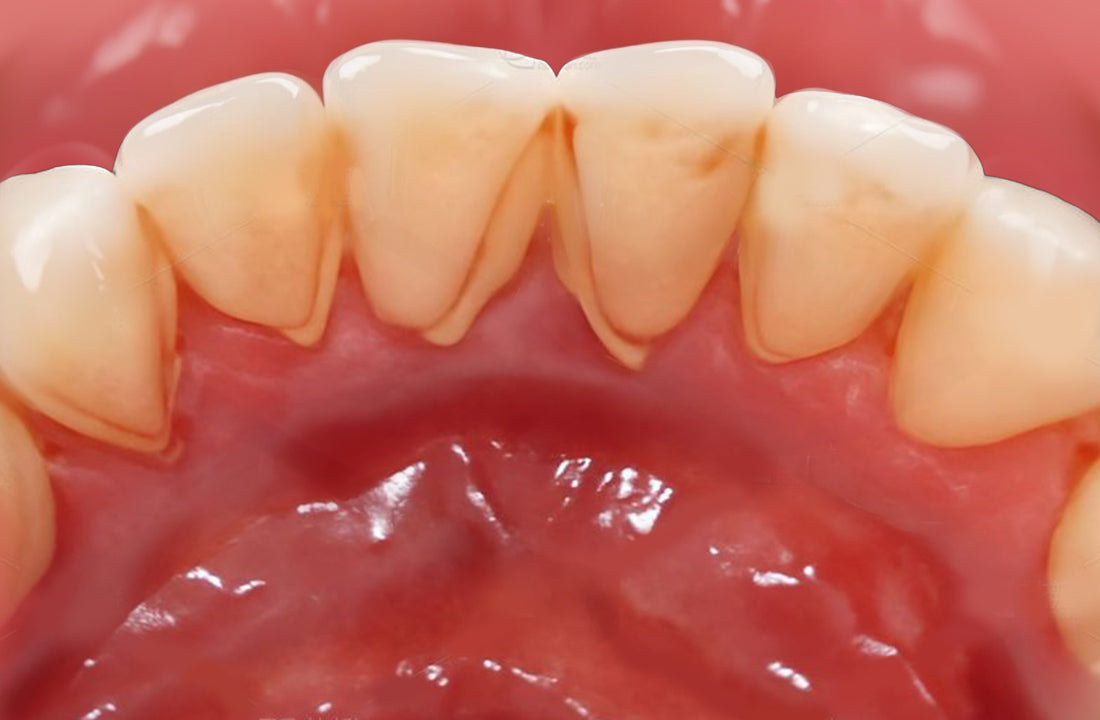
If your brushing doesn’t reach certain areas—especially between teeth, the gum line, and the inner surfaces—plaque hardens into tartar within 24 hours.
And tartar can only be removed by a dentist.
Unchecked tartar leads to:
-
Yellow deposits
-
Gum inflammation
-
A rough surface that traps even more bacteria
-
Higher risk of cavities

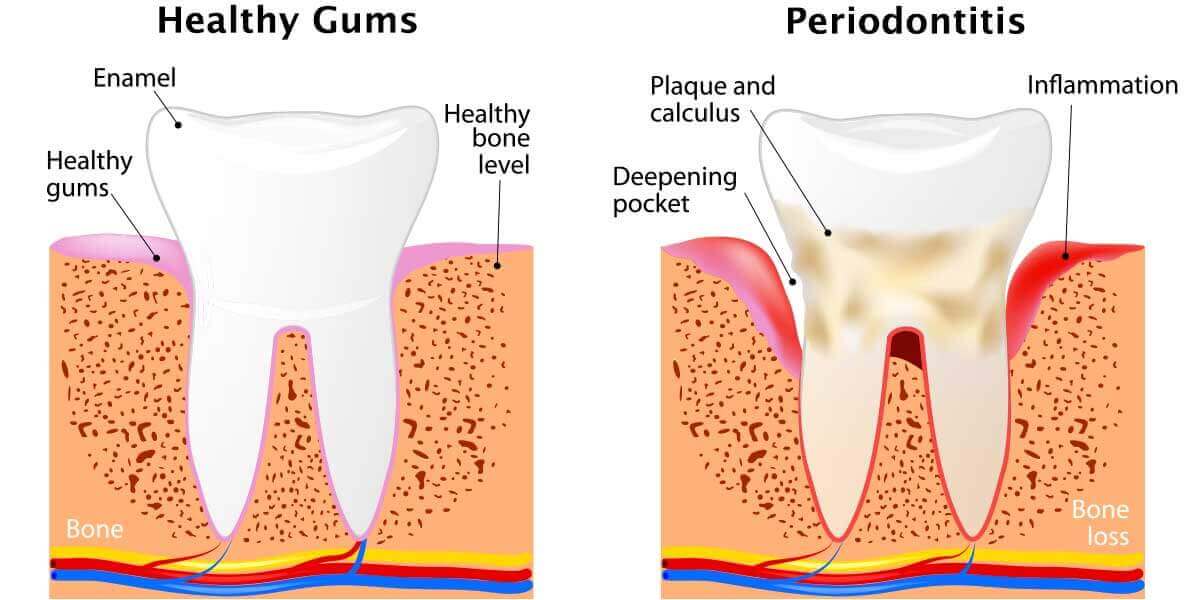
2. Gum Inflammation → Gingivitis → Periodontitis
Improper brushing leaves bacteria along the gum line.
This causes gingivitis, visible as red, swollen, or bleeding gums.
If untreated, it can progress into periodontitis, which affects the bone supporting your teeth—leading to loose teeth and, in severe cases, tooth loss.
Studies show 47% of U.S. adults have some form of gum disease.
3. Enamel Erosion → Sensitivity → Cavities
Missed plaque areas produce acids that erode enamel—the protective layer covering your teeth.
This leads to:
-
Sharp sensitivity to cold
-
Pain when chewing
-
Higher cavity risk
-
Irreversible enamel loss
Enamel doesn’t grow back.
4. Bad Breath Caused by Hidden Bacteria
Improper brushing leaves bacteria in:
-
The gum line
-
Tooth gaps
-
The back molars
-
The inner surfaces (most commonly missed area)
This bacteria produces sulfur compounds—the main cause of chronic bad breath.

5. It Costs Money: Dental Treatments Are Expensive
When brushing isn’t effective, it eventually becomes a financial issue:
| Problem | Average U.S. Cost |
|---|---|
| Professional cleaning | $100–$400 |
| Deep cleaning | $800–$1,500 |
| Filling cavities | $150–$450 each |
| Periodontal treatment | $1,000+ |
| Dental implants | $3,000–$6,000 |
Proper brushing prevents 90%+ of these treatments.
6. Why Most People Still Miss Key Areas When Brushing
Even adults struggle to clean all surfaces because:
-
The inner surfaces require a precise brushing angle
-
Tooth gaps are hard to reach
-
Back molars are frequently missed
-
Manual brushing depends on hand coordination
-
Traditional toothbrushes only clean one surface at a time
The average person only brushes 36% of tooth surfaces effectively.

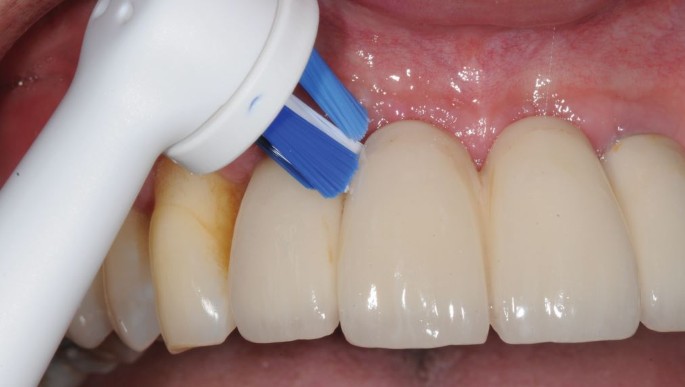
7. A Better Way: Brushing Tools That Clean All Sides Efficiently
A toothbrush designed to clean from multiple angles—especially one that can cover inner, outer, and biting surfaces simultaneously—significantly reduces missed spots.
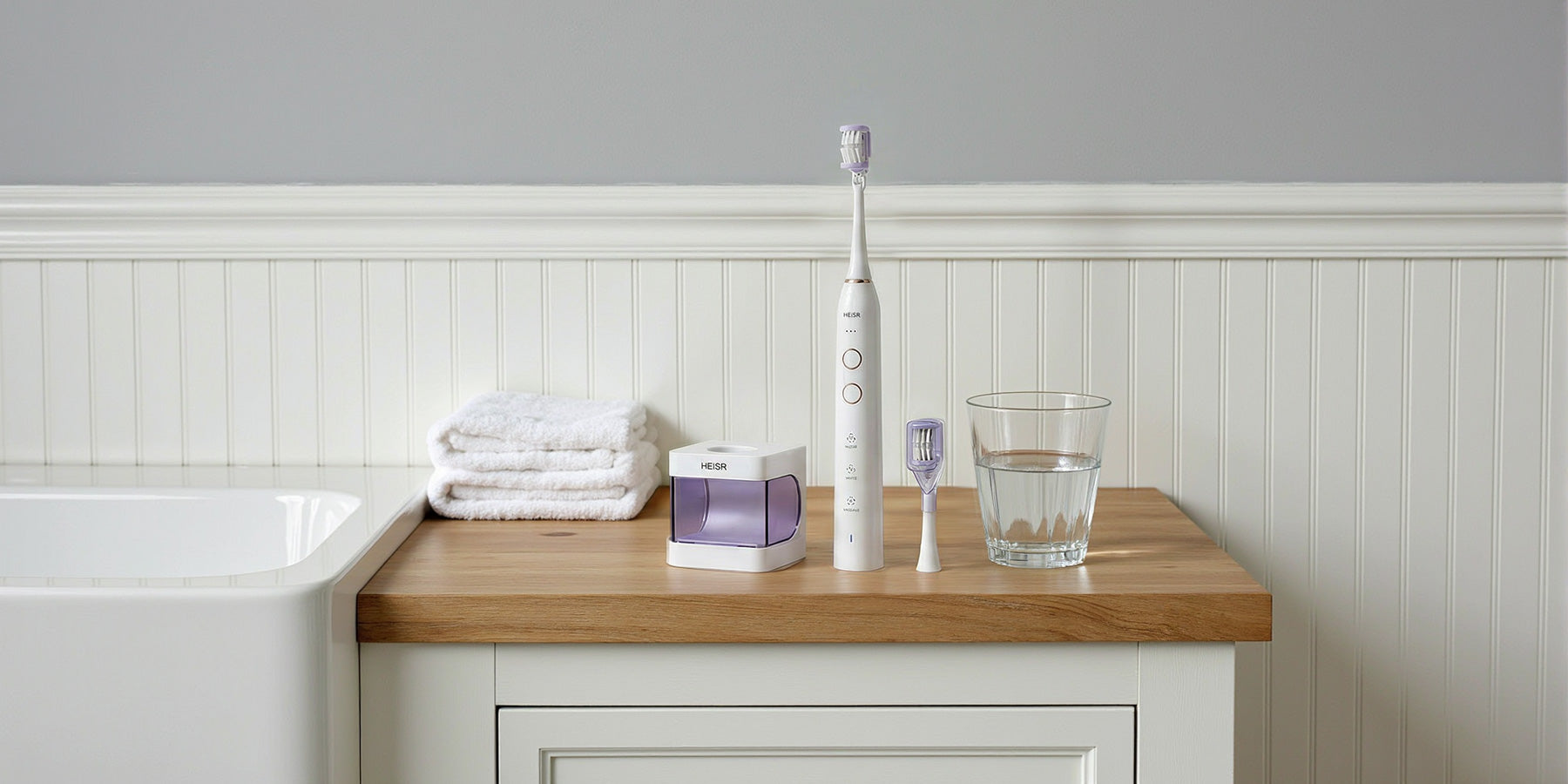
A three-sided toothbrush improves brushing efficiency and removes the need for complicated hand movements, making proper brushing easier for everyone.
Not brushing properly leads to plaque, gum disease, enamel loss, bad breath, and expensive treatments.
But with better brushing habits and the right tools, maintaining healthy teeth becomes simple and stress-free.

Share:
Cómo usar el cepillo de dientes eléctrico Sunblis Heisr de 3 lados
How to Help Kids Brush Their Teeth Properly — A Parent’s Guide